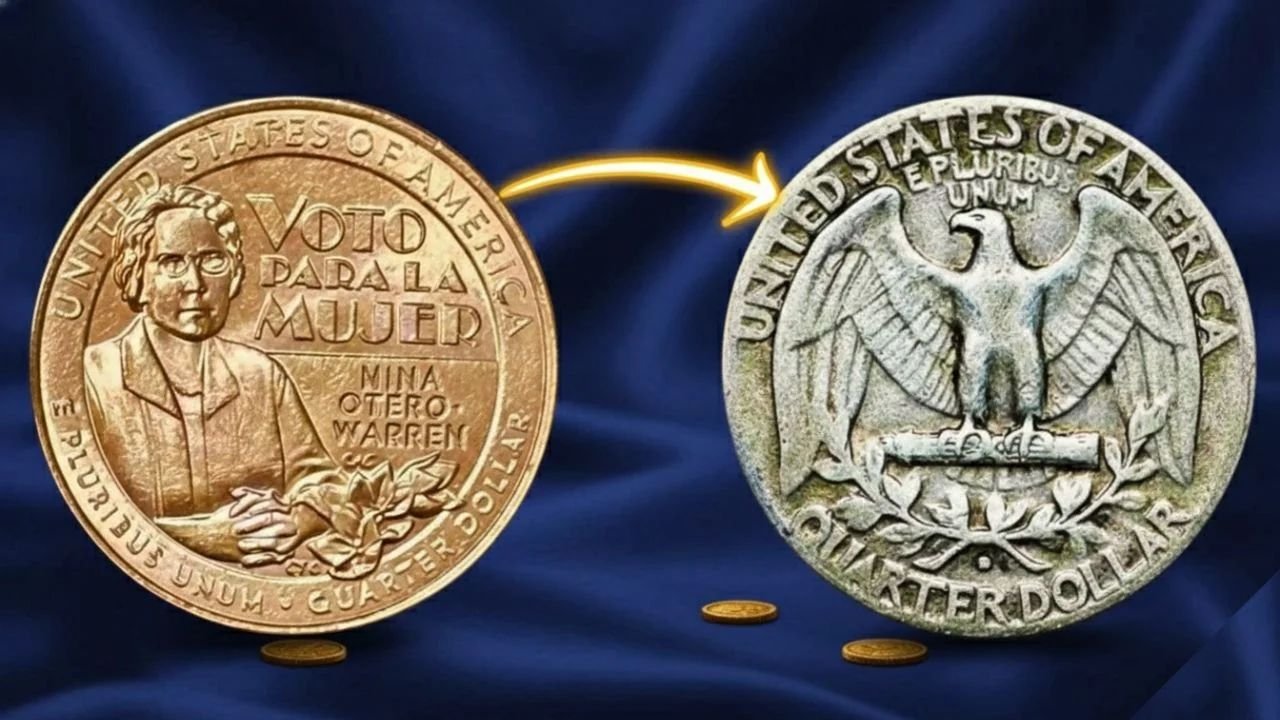
Washington Quarters are a staple of American coinage, but not all quarters are created equal. Since their introduction in 1932 to commemorate George Washington’s 200th birthday, some rare editions have captured the attention of collectors, selling for thousands of dollars. In 2026, the hunt for these valuable coins continues, and with the right knowledge, you could uncover a hidden treasure in your own change.
Why Some Washington Quarters Are Valuable
The value of a quarter often comes down to three key factors: rarity, condition, and minting errors. Coins with low production numbers, such as those from the early 1930s, are highly sought after. Silver content adds intrinsic value, especially in quarters struck before 1965. And error coins—those with misalignments, doubled designs, or unusual markings—can fetch thousands of dollars at auction. When rarity, condition, and unique features align, even a small coin can become a major collectible.
The Big Five Washington Quarter Rarities
Collectors in 2026 focus on five standout Washington Quarters that consistently command high prices.
- 1932-D Quarter
- Mint Mark: D (Denver)
- Why It’s Rare: Only 436,800 were minted, making it extremely scarce.
- Approximate Value (2026): $5,000 – $15,000+
- What to Look For: Sharp details, minimal wear, clear D mint mark.
- 1932-S Quarter
- Mint Mark: S (San Francisco)
- Why It’s Rare: Extremely low mintage of 408,000 coins.
- Approximate Value (2026): $6,000 – $20,000+
- What to Look For: Original shine, precise S mint mark, strong strike.
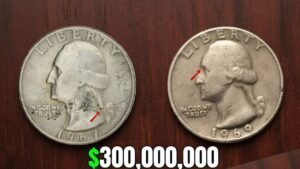
- 1937 Doubled Die Obverse
- Mint Mark: None (Philadelphia)
- Why It’s Rare: Obverse shows doubling on the date and lettering due to die misalignment.
- Approximate Value (2026): $1,500 – $8,000+
- What to Look For: Blurry or ghost-like doubling on letters and numbers.
- 1943-S Doubled Die Reverse
- Mint Mark: S (San Francisco)
- Why It’s Rare: Reverse features doubling, particularly visible on the eagle feathers.
- Approximate Value (2026): $1,000 – $5,000+
- What to Look For: Clear doubled image on the eagle, crisp original surfaces.
- 1950-D/S Overmintmark
- Mint Mark: D over S
- Why It’s Rare: A Denver mintmark was mistakenly stamped over an S, creating a unique error.
- Approximate Value (2026): $500 – $3,000+
- What to Look For: Carefully inspect the mint mark for evidence of overstriking.
Collector Tips for Finding Valuable Quarters
Hunting for rare Washington Quarters requires attention to detail and patience. Here are strategies used by experienced collectors:
- Check Every Quarter: Examine dates and mint marks on all coins you receive. You never know which one might be valuable.
- Look for Errors: Study letters, numbers, and designs with a magnifying glass. Doubling, off-center strikes, and unusual marks are red flags.
- Preserve Coins Properly: Use holders, flips, or albums to protect coins from scratches and fingerprints.
- Never Clean Old Coins: Cleaning reduces value and can permanently damage a collectible coin’s surface.
- Engage With the Community: Join online forums or local coin clubs to share knowledge and discover tips.
- Get Professional Grading: For potentially rare finds, professional grading services authenticate and assign value, enhancing marketability.
Can You Really Profit from Collecting?
While discovering a high-value quarter in your pocket change is uncommon, it does happen. People have found significant coins in old jars, bank rolls, and even at flea markets. The 1932-D and 1932-S are considered the holy grails of the series, but even error coins like the 1937 Doubled Die Obverse or the 1950-D/S Overmintmark can bring substantial returns. Beyond monetary value, collecting quarters offers a connection to history, allowing you to hold a piece of the past in your hand.
Where to Start Your Search
Start with the most accessible sources: your own coin jar, bank rolls, or inherited collections from family members. Attend coin shows and flea markets to see rare quarters in person and learn from dealers. Patience is key—building a meaningful collection takes time, but the reward of finding a hidden gem is well worth the effort.
Frequently Asked Questions
Q: How can I tell if my quarter is made of silver?
A: Quarters minted in 1964 or earlier are 90% silver. Check the edge: silver quarters have a solid metallic color, while newer copper-nickel clad quarters show a brown stripe.
Q: What is a mint mark and where is it located?
A: The mint mark indicates where the coin was produced: D for Denver, S for San Francisco, and no mark for Philadelphia. On Washington Quarters, look above “QUARTER DOLLAR” on the reverse.
Q: Should I clean old quarters to improve appearance?
A: Never clean collectible coins. Original surfaces, even if darkened, are more valuable to collectors than shiny but altered coins.
Q: How do I identify a doubled die error?
A: Examine letters, numbers, and design elements with a magnifying glass. Look for ghost-like doubling or blurred edges that appear slightly offset from the primary image.
Washington Quarters are more than pocket change—they are miniature pieces of history. By learning to spot rare dates, mint marks, and errors, collectors in 2026 can uncover hidden value in coins that might otherwise go unnoticed. Every quarter has a story, and some stories are worth thousands of dollars.