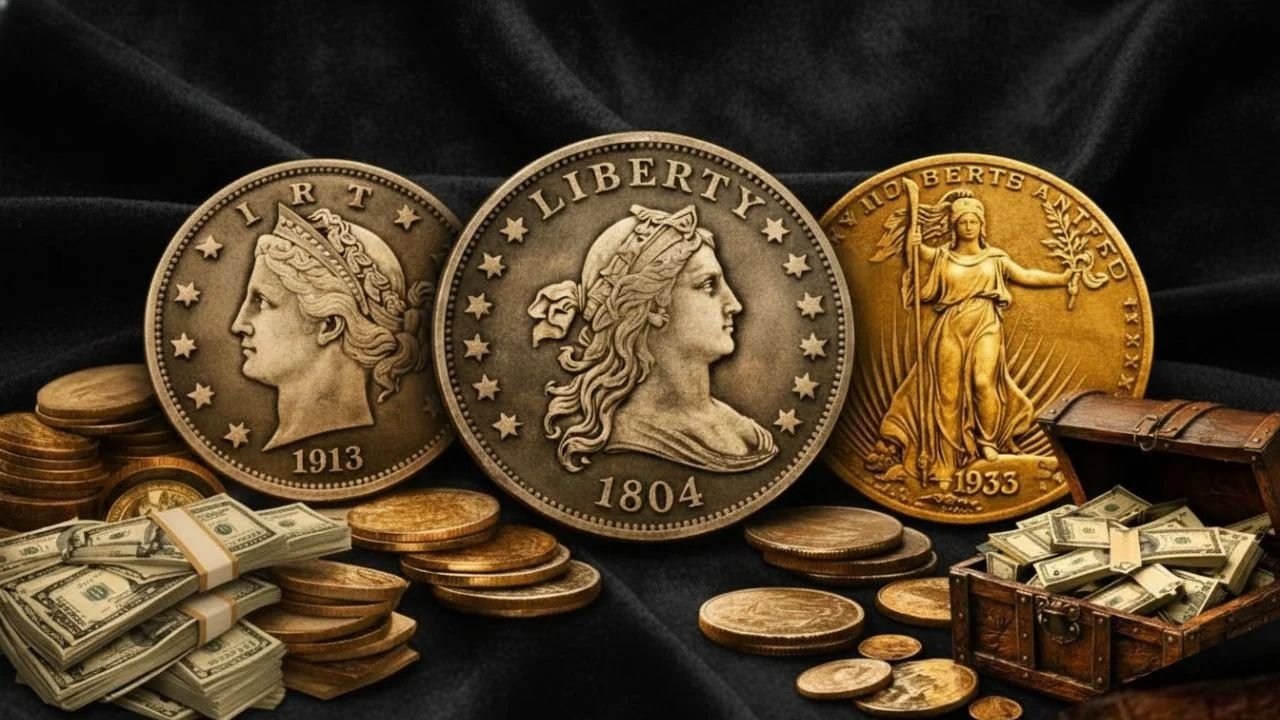
Coin collecting is far more than a hobby—it’s a journey through history, art, and economics. Each coin is a miniature time capsule, capturing the era in which it was minted. While most coins circulate and wear over time, a select few survive in pristine condition, becoming extraordinarily rare and valuable. These coins fascinate collectors worldwide, not just for their monetary worth but for their direct connection to pivotal moments in U.S. history. The pursuit of these numismatic treasures combines research, luck, and the thrill of discovery.
What Makes a Coin Truly Valuable
A coin’s value is determined by a combination of rarity, condition, and historical significance.
- Rarity: Coins with very few surviving examples generate high collector demand. Limited supply drives prices into the millions when competition arises among serious collectors.
- Condition (Grade): Pristine coins that have avoided circulation are far more valuable than worn examples. Professional grading services assign numeric grades that can dramatically impact a coin’s market value.
- Historical Significance: Coins tied to important events, transitional designs, or unique production stories often carry a premium that surpasses their metal content.
The Three Legendary U.S. Coins
| Coin Name | Year & Mint | Reason for Rarity | Known Specimens | Notable Auction Value |
|---|---|---|---|---|
| 1933 Double Eagle | 1933, Philadelphia | Never officially released; most melted | 13-15 | $18.8 million+ (2002) |
| 1794 Flowing Hair Silver Dollar | 1794, Philadelphia | First U.S. silver dollar; low survival | 120-140 | $10 million+ (2013) |
| 1913 Liberty Head Nickel | 1913, Philadelphia | Struck without authorization | 5 | $4.5 million+ (2018) |
The 1933 Double Eagle: The Forbidden Twenty Dollars

The 1933 Double Eagle exists at the intersection of history, politics, and mystery. Minted during the Great Depression, these $20 gold coins were never officially released. President Franklin D. Roosevelt’s executive orders to abandon the gold standard resulted in most coins being melted down. Only a handful escaped into private hands, making them exceptionally rare. Legal battles over ownership lasted decades, and one specimen’s eventual private sale in 2002 set a world record, cementing its status as one of the most coveted coins in numismatics.
The 1794 Flowing Hair Silver Dollar: America’s First Silver Dollar
Minted in the very first year of federal silver dollar production, the 1794 Flowing Hair Dollar is both historically and symbolically significant. Its design, featuring Liberty with flowing hair, reflected the nation’s sovereignty. Early minting techniques produced relatively few surviving coins, making high-grade examples extraordinarily rare. Collectors see this coin as a tangible connection to the birth of the U.S. monetary system.
The 1913 Liberty Head Nickel: The Unauthorized Masterpiece
Only five 1913 Liberty Head Nickels are known to exist. They were struck after the official design changed to the Buffalo Nickel, likely under mysterious circumstances by a mint employee. This coin’s intrigue lies not only in its rarity but in the story behind its creation. Owning one is akin to holding a piece of secret numismatic history, a true collector’s dream.
Tips for Aspiring Collectors
Starting a coin collection is accessible and rewarding. Here’s how to get started:
- Educate Yourself: Learn basic numismatic terminology—mint mark, obverse, reverse—and familiarize yourself with reputable resources like the American Numismatic Association.
- Focus Your Collection: Choose a theme such as a specific decade, denomination, or motif. A narrative approach adds value and coherence to your collection.
- Search Circulating Coins: Many collectors begin by examining coins in change, looking for older dates, mint marks, or errors.
- Cultivate Patience: Coin collecting is a long-term hobby. Knowledge compounds over time, and rare finds often come unexpectedly.
Protecting Your Collection
For valuable coins, authenticity and protection are paramount:
- Buy from Trusted Sources: Established dealers, major auction houses, and certified trades ensure legitimacy.
- Professional Certification: Services like PCGS and NGC provide grading, authentication, and tamper-evident holders, giving security and market confidence.
- Document and Insure: Photograph coins, keep purchase records, and ensure adequate insurance coverage.
Frequently Asked Questions
Is it legal to own a 1933 Double Eagle?
Yes, but only select specimens were legally sold. Ownership of other examples is highly restricted and often requires government approval.
How do I determine a coin’s value?
Identify the date, mint mark, and denomination. Use reputable price guides or online databases, and for high-value coins, seek professional appraisal or grading.
Is coin collecting a good investment?
Collecting should be passion-driven. Rare coins can appreciate, but markets fluctuate. Prioritize knowledge and reputable purchases, and never invest money you can’t afford to lose.
What mistakes should beginners avoid?
Avoid over-cleaning coins and overpaying due to a lack of research. Always educate yourself before making significant purchases.
Where’s the best place to start a collection?
Begin with what fascinates you and fits your budget. Circulated coins, starter sets, or affordable series like Roosevelt Dimes or Jefferson Nickels are excellent entry points.
The Lasting Reward
Numismatics is more than chasing monetary gain; it’s about discovery, history, and connection. Recognizing a rare coin, completing a series, or simply holding a piece of history brings enduring satisfaction. Whether worth thousands or millions, coins are storytellers—small, metallic archives of the past waiting to be discovered. In 2026, the right coin could not only enrich your collection but also connect you directly to America’s numismatic legacy.