The quarters jingling in your pocket or tucked away in jars might seem mundane—but hidden within these everyday coins lies a treasure trove of history, artistry, and staggering value. The United States’ state quarter program, launched in 1999, transformed simple currency into one of the most widely accessible and collectible series in American numismatics. For collectors and investors alike, a keen eye can turn loose change into a remarkable asset.
The Dawn of the State Quarters Program
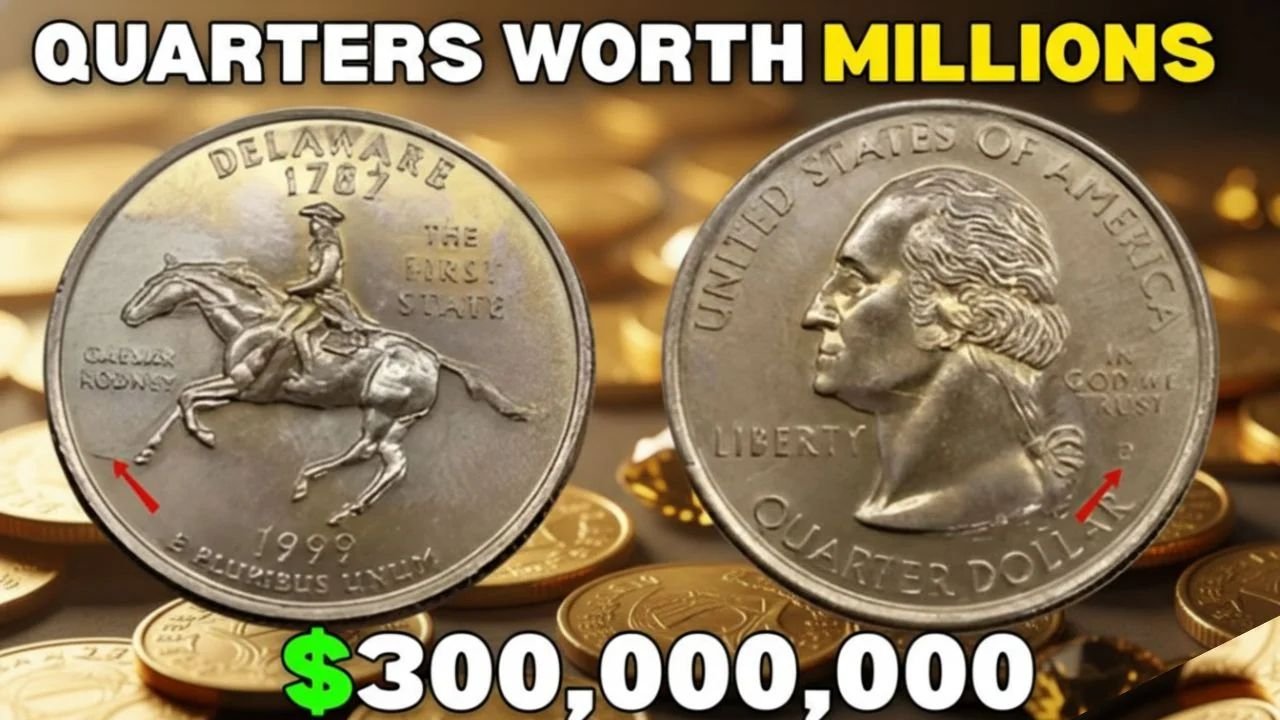
Before 1999, the standard eagle-back quarter had remained largely unchanged for decades. The U.S. Mint’s decision to honor each state with unique designs changed everything. Delaware led the way, featuring Caesar Rodney’s historic ride, followed by Georgia with its peach and live oak motif, and Connecticut with the legendary Charter Oak. Families quickly embraced the series, filling folders with each new release, unknowingly participating in a modern collecting phenomenon.
Despite the massive production of billions of coins, the program inevitably produced errors and rare variations. These anomalies are now some of the most sought-after modern U.S. coins.
Key Rare State Quarters
| State & Year | Variety Name | Description | Estimated Value (2026) | Rarity |
|---|---|---|---|---|
| Delaware 1999 | Spitting Horse | Die crack from horse’s mouth | $150 – $3,500 | Common error |
| Georgia 1999 | Off-Center Strike | Design shifted 10–50% | $500 – $15,000 | Rare |
| Connecticut 1999 | Doubled Die | Doubling in “Connecticut” or tree | $800 – $12,000 | Scarce |
| Maryland 2000 | Wrong Planchet | Struck on nickel/dime planchet | $8,000 – $150,000+ | Extremely rare |
| South Carolina 2000 | Major Off-Center | 20%+ off-center | $600 – $18,000 | Rare |
| Wisconsin 2004 | Extra Leaf High/Low | Additional corn leaf | $1,200 – $95,000 | Scarce |
| Minnesota 2005 | Extra Tree | Additional pine tree | $600 – $28,000 | Scarce |
| Kansas 2005 | “In God We Rust” | Grease-filled die on “Trust” | $400 – $8,500 | Common error |
| Nevada 2006 | Doubled Die | Doubling in “Nevada” or mustangs | $300 – $7,500 | Scarce |
| Hawaii 2008 | Silver Proof Cameo | Deep cameo contrast | $75 – $6,200 | Common (proof only) |
These coins demonstrate the wide spectrum of rarity and value. While some errors like the Delaware “Spitting Horse” are relatively common, others—like the Maryland wrong planchet—can sell for six figures in exceptional condition.
Silver Proofs: The Pinnacle of Collectibility
Beyond circulated coins, silver proof quarters command attention. Struck on polished planchets with specially prepared dies, these coins feature mirror-like backgrounds with frosted, sculptural foregrounds. The 2008 Hawaii silver proof quarter, the final issue in the series, is particularly prized. Its artistry, historical significance, and limited production make it a standout example for collectors and investors alike.
Spotting Hidden Treasures
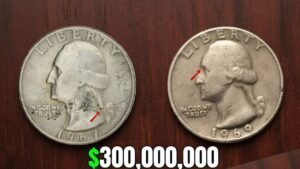
One of the most appealing aspects of state quarter collecting is accessibility. Valuable coins often appear in everyday circulation or unsearched coin rolls. Patience and attention to detail are key: examine coins for off-center strikes, die doubling, missing design elements, or unusual features. Tools like a jeweler’s loupe or magnifying glass can reveal small anomalies that dramatically increase a coin’s value.
Professional resources such as CONECA (Combined Organizations of Numismatic Error Collectors of America) provide guidance for attribution, while online communities like CoinTalk and Reddit’s r/coins offer free assistance in identifying potential rarities.
Frequently Asked Questions
How can I identify valuable state quarters without professional grading?
Compare your coin to high-resolution images of known varieties. Look for specific markers like extra leaves on Wisconsin quarters or die doubling on Connecticut issues. Many local coin shops also offer free attributions.
Are uncirculated rolls worth opening?
Yes. Unopened rolls from the Federal Reserve may contain error coins that bypassed inspection. While rare, discoveries like Wisconsin Extra Leaf or Minnesota Extra Tree coins have been documented in these rolls.
Why do some errors sell for millions while others sell for hundreds?
Condition, pedigree, and market timing all influence prices. Coins with exceptional preservation, documented provenance, or auction competition often command significant premiums.
Should I clean old quarters?
Never. Cleaning damages the coin’s surface and diminishes collector value. Natural toning and original mint luster are preferred and can increase desirability.
Where can I sell valuable state quarters?
Options include major auction houses, specialized coin dealers, and reputable online marketplaces. For coins valued under $1,000, local dealers or coin shows offer convenience and immediate payment. Auction houses like Heritage Auctions, Stack’s Bowers, and GreatCollections handle exceptional rarities.
What’s the difference between proof and uncirculated quarters?
Proof coins are struck multiple times on polished planchets with polished dies, resulting in mirror-like backgrounds and sharp details. Uncirculated coins are standard strikes from the Mint, never circulated, but may not have the same visual refinement. Both types can contain errors, though proof errors are considerably rarer.
Why Collect State Quarters?
The state quarter series blends artistry, history, and the thrill of discovery. Collectors can connect with nearly a decade of American culture, from Delaware’s first release to Hawaii’s final silver proof. Rare errors and unique varieties offer not just financial potential but the satisfaction of uncovering overlooked treasures.
Whether searching through change, uncirculated rolls, or proof sets, state quarters offer an accessible yet rewarding avenue into the world of numismatics. With billions minted and countless stories waiting to be discovered, the potential for finding a hidden gem remains as exciting today as it was in 1999.