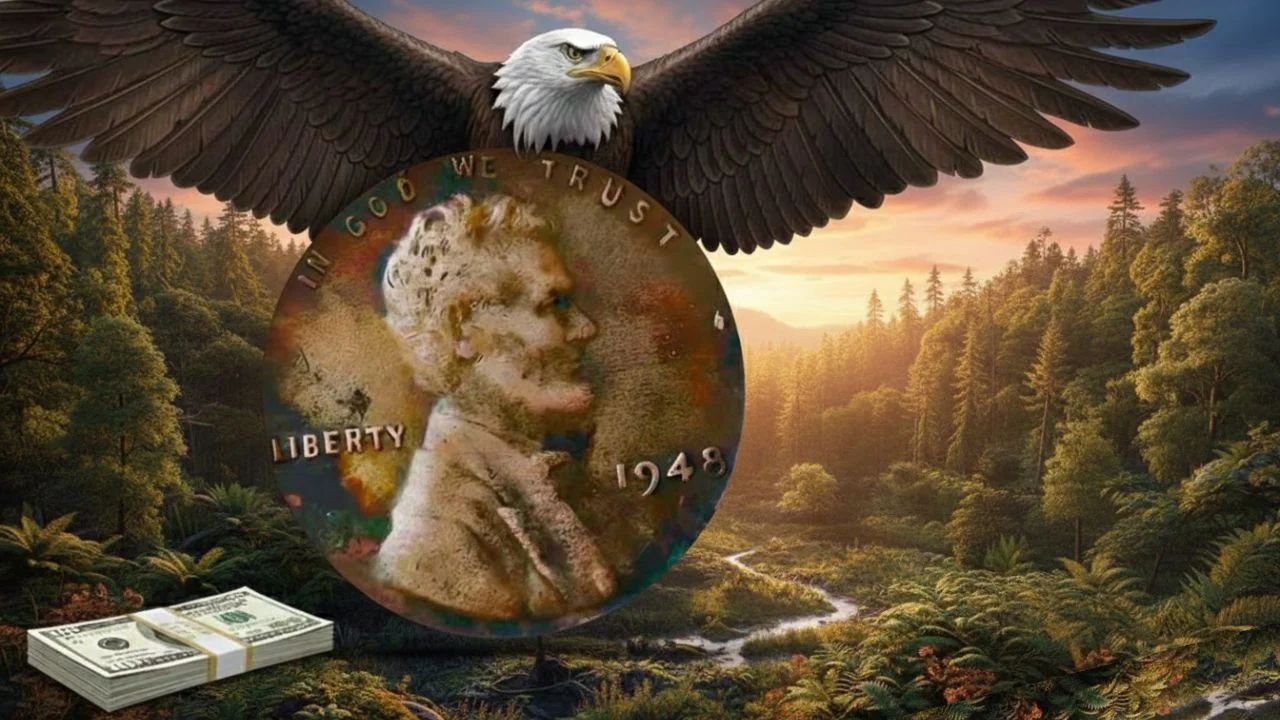
For most people, a penny is just spare change. For collectors, however, a penny can be a portal to history—and in rare cases, a hidden fortune. The Lincoln Wheat Penny, with its iconic stalks of wheat framing the words “ONE CENT,” circulated from 1909 to 1958 and remains one of the most celebrated coins in American numismatics. While the majority are common and hold only face value, a handful of rare dates, mint marks, and errors have made headlines at auctions, turning humble cents into extraordinary treasures.
The Story Behind the Design
Introduced in 1909 to honor Abraham Lincoln’s 100th birthday, the Lincoln Wheat Penny was groundbreaking. It was the first circulating U.S. coin to feature a real person, paying tribute to the revered president. Sculptor Victor David Brenner crafted the obverse portrait, while the reverse depicted two stylized wheat stalks, symbolizing national prosperity. This simple yet elegant design endured through two World Wars, the Great Depression, and decades of daily use, embedding itself into American life and history.
Key Facts About Lincoln Wheat Pennies
| Attribute | Details |
|---|---|
| Years Minted | 1909–1958 |
| Designer | Victor David Brenner |
| Metal Composition | 95% Copper, 5% Tin/Zinc (1909–1942, 1944–1958) |
| Wartime Composition | Zinc-coated steel (1943) |
| Mint Marks | D (Denver), S (San Francisco), None (Philadelphia) |
| Obverse Design | Portrait of Abraham Lincoln |
| Reverse Design | Two wheat stalks encircling “ONE CENT” and “UNITED STATES OF AMERICA” |
| Key/Rare Dates | 1909-S VDB, 1914-D, 1922 Plain (No D), 1931-S, 1943 Bronze, 1944 Steel, 1955 Doubled Die |
| Average Circulated Value | $0.05–$1.00 for common dates |
| Highest Auction Record | Over $1.7 million for a 1943 Bronze Cent |
What Makes a Wheat Penny Valuable?
Several factors determine a coin’s worth:
Mintage and Survival: Coins struck in limited quantities or those with few surviving examples naturally command higher value. The 1909-S VDB and 1931-S pennies are prime examples of scarcity driving demand.
Minting Errors: Mistakes during production often create unique collectibles. The legendary 1943 Bronze and 1944 Steel cents exemplify how wartime metal substitutions resulted in extraordinary rarities.
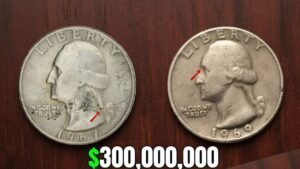
Condition: The state of preservation is crucial. Worn coins are worth little, whereas mint-state specimens can fetch tens of thousands of dollars. Professional grading services, such as PCGS and NGC, assess coins on a 1–70 scale, providing assurance of authenticity and condition.
Historical Significance: Key years and transitional periods amplify value. First-year issues or wartime errors carry narratives that elevate collector interest.
Notable Lincoln Wheat Penny Varieties
1909-S VDB: Often called the “Holy Grail” of Lincoln pennies, this San Francisco mint issue features Brenner’s initials on the reverse. With a mintage of just 484,000, it is highly prized in high grades.
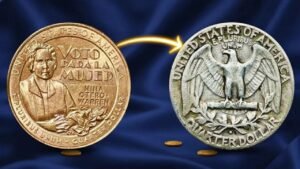
1943 Bronze Cent: During World War II, pennies were minted on zinc-coated steel. A handful of bronze planchets from 1942 were mistakenly used, creating one of the most famous error coins in U.S. history. Examples have sold for over $1 million.
1944 Steel Cent: The reverse error of 1944 occurred when leftover steel blanks were struck instead of copper. These coins are extremely rare and sought after.
1955 Doubled Die: A misalignment during die creation caused dramatic doubling on the obverse inscription. This visually striking error is highly collectible, even in circulated grades.
How to Start Your Search
The thrill of discovery is central to coin collecting. Begin with these steps:
- Sort by Date: Focus on pennies minted between 1909 and 1958. Pay attention to key years listed above.
- Check the Mint Mark: Look below the date for “D” (Denver) or “S” (San Francisco), which can increase value.
- Examine for Errors: Use a magnifying glass to spot doubling, off-center strikes, or unusual features.
- Assess Condition: Coins with full details and original luster are worth far more than heavily worn examples.
- Consult Reputable Resources: Price guides, professional grading services, and reliable online databases help verify potential rarities.
Frequently Asked Questions (FAQ)
Q: I found a 1943 penny that isn’t silver. Is it valuable?
A: Yes. Standard 1943 pennies are zinc-coated steel. A copper-colored 1943 penny could be the rare bronze error, potentially worth hundreds of thousands. Authentication is essential.
Q: What does “VDB” stand for?
A: These are the initials of designer Victor David Brenner. The initials appeared prominently on the 1909 pennies but were quickly removed, making the 1909-S VDB especially scarce.
Q: Are all Wheat Pennies valuable?
A: No. Most are common and worth between $0.05 and $1.00. Value comes from rare dates, mint marks, errors, and condition.
Q: How should I store valuable coins?
A: Handle coins by the edges and store them in inert holders or archival-quality albums. Avoid PVC plastics, which can damage coins over time.
Q: Where can I sell a rare Wheat Penny?
A: Reputable auction houses, established coin dealers, and certified online marketplaces are ideal. Professional grading before sale often yields the best return.
The True Reward of Collecting
While discovering a million-dollar penny is exciting, the deeper value lies in the connection to history. Each Lincoln Wheat Penny has passed through countless hands, witnessing generations of American life. Collecting these coins is not only about monetary gain—it is about preserving history, appreciating craftsmanship, and engaging with a tangible link to the past. Whether you find a rare error or complete a date set, each coin tells a story, proving that even the smallest denominations can carry immense significance.