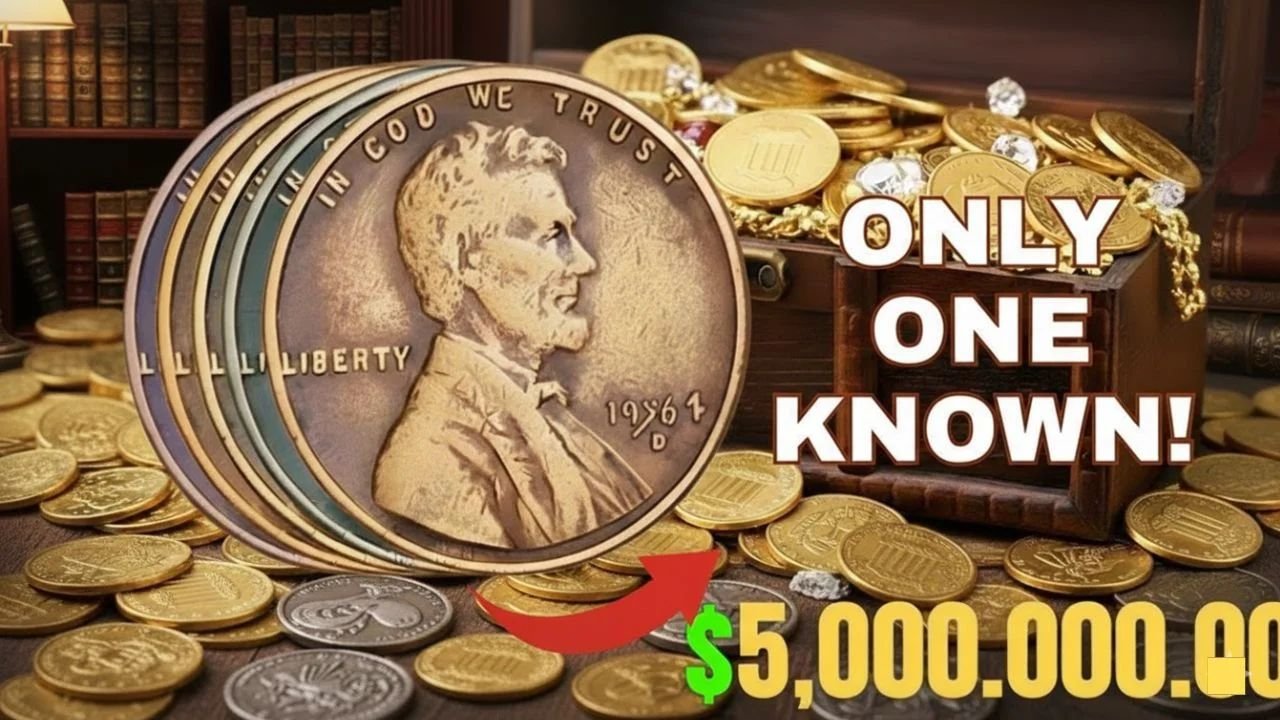
The Lincoln Penny has been a cornerstone of American coinage for over a century, cherished not just as currency but as a piece of history. Since its introduction in 1909, this humble cent has told stories of innovation, artistry, and even human error. As we move through 2026, collectors continue to seek out rare varieties, mint errors, and historically significant issues, making the Lincoln Cent a fascinating and rewarding addition to any numismatic collection.
A Coin Forged in History
The Lincoln Cent was introduced in 1909 to commemorate the 100th anniversary of Abraham Lincoln’s birth. Victor David Brenner’s portrait of Lincoln broke tradition, making it the first U.S. circulating coin to feature a real person. The reverse has evolved across three major designs: the Wheat Ears (1909–1958), representing America’s agricultural foundation; the Lincoln Memorial (1959–2008), honoring his enduring legacy; and the Union Shield (2010–present), symbolizing national unity. These design changes allow collectors to trace American history through the changing imagery of a small yet significant coin.
Understanding Mint Marks
Mint marks are crucial for identifying rare pennies. They indicate the coin’s origin: “D” for Denver, “S” for San Francisco, and, for most of its history, no mark for Philadelphia. Variations in production numbers across these mints create some of the series’ most valuable issues. For example, San Francisco pennies from the early 1930s were struck in limited quantities due to economic constraints, making them highly sought after today. Recognizing these subtle letters is the first step in spotting a potential treasure.
Key Lincoln Penny Varieties and Values (2026)
Below is a reference for some of the most notable Lincoln Cents, with approximate values for high-grade examples (MS-65 RD or Proof) in 2026:
| Year | Mint Mark | Key Variety | Characteristics & Story | Approx. Value (2026) |
|---|---|---|---|---|
| 1909 | S | V.D.B. | Features designer Victor D. Brenner’s initials on the reverse; low mintage from San Francisco | $1,200 – $3,500 |
| 1914 | D | – | Extremely low mintage from Denver; Wheat series rarity | $1,800 – $18,000 |
| 1922 | – | “No D” | Denver mint mark omitted, creating a Philadelphia appearance | $8,000 – $30,000+ |
| 1943 | – | Copper Planchet | Struck in bronze instead of steel due to minting error; legendary rarity | $200,000 – $500,000+ |
| 1955 | – | Double Die Obverse | Dramatic doubling of date and inscriptions | $2,000 – $50,000 |
| 1969 | S | Double Die Obverse | Rare doubling error, highly collectible | $40,000 – $100,000+ |
| 1982 | – | Small Date (Copper) | Transitional rarity as composition changed from copper to zinc | $800 – $5,000 |
| 1992 | – | Close “AM” | “A” and “M” in “AMERICA” nearly touching; Memorial reverse rarity | $4,000 – $20,000 |
| 1999 | – | Wide “AM” | Opposite of above; spaced “A” and “M” | $400 – $2,500 |
| 2009 | Various | Bicentennial Designs | Four reverse designs for Lincoln’s 200th birthday; especially valuable in proof | $5 – $150 |
The Fascination of Mint Errors
Error pennies are highly prized by collectors because each one is unique. Common examples include off-center strikes, clipped planchets, broadstrikes, and the famed 1943 copper cent. These coins are physical evidence of the minting process, offering a blend of history, rarity, and detective work for enthusiasts. Each error tells a story, making the hunt for them both educational and exciting.
Building a Thoughtful Collection
Whether new or seasoned, collectors can approach the Lincoln Penny series in several ways:
- Thematic Sets: Focus on Wheat Cents, Lincoln Memorial Cents, or Union Shield Cents.
- Error Specialization: Collect unique mistakes like doubled dies, off-center strikes, or rare planchet errors.
- Chronological Completion: Build a type set with one high-grade example of each major design era.
Use magnification loupes, reference guides, and online forums for accurate identification. Always handle coins by the edges and store them in archival-quality materials to preserve condition and value over time.
The Market and Cultural Resonance
In 2026, the numismatic market remains robust. Classic rarities command high prices at auction, while modern errors and specialized varieties offer accessible entry points for new collectors. Beyond monetary value, the Lincoln Penny reflects artistry, historical milestones, and technological evolution in coin production. Collecting these coins is not only an investment but also a personal engagement with over a century of American history.
Frequently Asked Questions
Q: What is the single most valuable Lincoln Cent?
A: The 1943 copper cent is the “king” of the series, with pristine examples selling for over $200,000.
Q: How do I identify a 1943 steel penny versus the rare copper error?
A: Standard 1943 pennies are zinc-coated steel and will stick to a magnet. Copper-colored, non-magnetic 1943 pennies are the rare error coins.
Q: What does “Double Die” mean?
A: A double die occurs when a die is impressed twice, causing noticeable doubling on the date or lettering. This is distinct from less valuable machine doubling.
Q: Should I clean old pennies?
A: Never. Cleaning scratches the surface and reduces value. Original toning and patina are part of the coin’s history.
Q: How do I get a coin professionally graded?
A: Submit coins to services like PCGS or NGC for authentication, grading, and encapsulation in protective holders.
Q: Where should I start collecting Lincoln Cents?
A: Begin with circulated coins or albums for Lincoln Memorial (1959–2008) or Union Shield (2010–present) cents. It’s an affordable way to learn about dates, mint marks, and coin condition.
The Lincoln Penny is more than a cent—it is a small window into America’s past. From the early V.D.B. issues to rare mint errors, these coins offer collectors both history and potential value. Whether hunting for legendary errors or building a complete type set, every Lincoln Cent tells a story worth discovering.