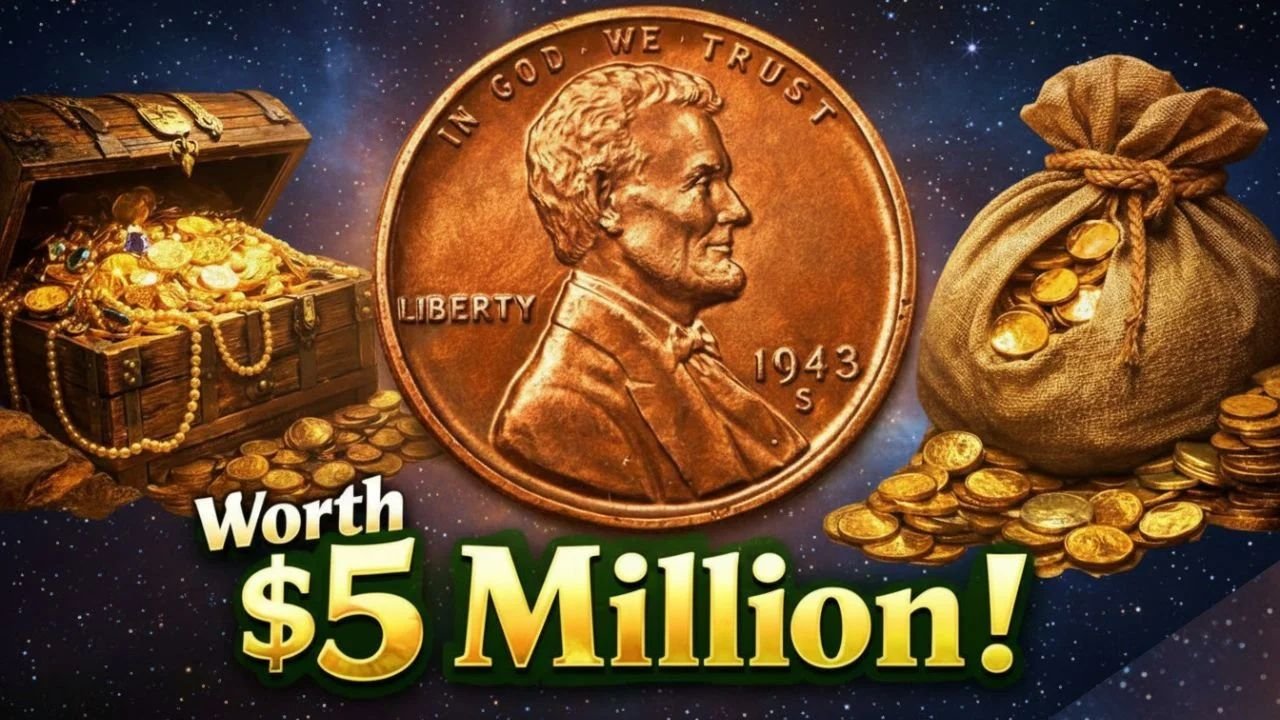
The 1943 copper penny stands as one of the most extraordinary anomalies in American numismatics. While most coins of that year were struck on steel to conserve copper for the war effort, a handful of pennies slipped through as bronze—creating a rarity that today can fetch millions. Understanding this coin’s historical context, rarity, and value is essential for serious collectors and investors.
The Wartime Shift in Penny Production
World War II placed unprecedented demands on America’s industrial resources. Copper, essential for ammunition, communication cables, and naval vessels, became a strategically critical material. To support the war effort, the United States Mint switched the composition of the one-cent coin in 1943 from traditional bronze (95% copper, 5% tin and zinc) to zinc-coated steel. These steel cents, with their distinctive silvery-gray color, were magnetic and easily distinguished from their pre-war predecessors.

Yet in the rush to implement this change, a small number of leftover bronze planchets from 1942 found their way into the presses. When struck with 1943 dies, these coins became the famed 1943 copper pennies—unintentional anomalies that would become numismatic legends.
Characteristics of the 1943 Copper Penny
| Feature | Details |
|---|---|
| Official Name | Lincoln Cent, Bronze Composition |
| Year | 1943 |
| Mint Facilities | Philadelphia (no mintmark), Denver (D), San Francisco (S) |
| Standard Composition | Zinc-coated steel (99% steel, 1% zinc) |
| Error Composition | Bronze (95% copper, 5% tin and zinc) |
| Standard Weight | 2.70 grams |
| Error Weight | 3.11 grams |
| Standard Appearance | Silvery-gray, magnetic |
| Error Appearance | Warm reddish-brown, non-magnetic |
| Estimated Survivors | 15–20 across all facilities |
| Authentication | Magnet test, weight measurement, metallurgical analysis, die verification |
| Professional Grading | PCGS, NGC, ANACS |
| Market Status | Institutional-level rarity; private treaty sales and major auctions |
| Significant Sales | Multiple specimens surpassed $1,000,000; record over $5,000,000 |
The visual contrast between the intended steel penny and the accidental bronze cent makes these errors instantly recognizable. Beyond aesthetics, the 1943 copper penny carries immense historical significance, representing a unique intersection of wartime necessity and human oversight.
Provenance and Record Sales
Collectors place immense value not just on the coin itself, but on its documented history. One notable specimen, preserved by a Texas collector, sold through private treaty negotiations for an astonishing sum. Another emerged decades after a teenager discovered it in his lunch money, sparking international bidding. These high-profile transactions underscore the coin’s appeal to investors, institutions, and Lincoln cent enthusiasts alike. Coins with clear provenance command the highest attention, often reaching seven-figure valuations.
Methods for Authentic Identification
The extraordinary value of a 1943 bronze penny has led to sophisticated counterfeits. Collectors must exercise caution and adhere to authentication protocols:
- Magnet Test: Genuine bronze cents are non-magnetic, unlike standard steel 1943 pennies.
- Weight Check: Bronze pennies weigh roughly 3.11 grams, heavier than the 2.70-gram steel coins.
- Date Verification: Ensure the date digits align with 1943 die styles; counterfeits often modify 1945 or 1948 cents.
- Professional Grading: Submitting coins to PCGS, NGC, or ANACS provides authoritative authentication and preserves market confidence.
Visual inspection alone is insufficient, as skilled counterfeiters may mimic bronze coloration through surface treatments.
Mint Errors as Historical Artifacts
Mint errors like the 1943 copper penny offer a tangible glimpse into manufacturing history. They document moments when human and mechanical processes diverged from standard protocols. Beyond their rarity, these coins reflect the immense pressures of wartime production. Other notable mint anomalies from this era include off-metal strikes, double strikes, and clipped planchets—each a reminder of the era’s intense industrial pace.
Frequently Asked Questions
How can I tell if my 1943 penny is valuable?
Start with a magnet test. If the coin is non-magnetic, examine the date and weight. Any promising candidates should be submitted to a professional grading service for confirmation.
How many 1943 copper pennies exist?
Numismatic research estimates 15–20 specimens across all mints, with Philadelphia examples being the most common. Denver and San Francisco coins are rarer, with only one to three known examples each.
Why were some 1943 pennies made of copper?
Leftover bronze planchets from 1942 inadvertently entered the presses during the swift transition to steel cents. The resulting coins were accidental, not intentional.
What is the highest price a 1943 copper penny has sold for?
Several specimens have achieved seven-figure prices. One exceptionally preserved example reportedly sold for more than $5 million.
Are other 1943 pennies valuable?
Standard steel cents from 1943 remain common but hold modest premiums in uncirculated condition. Collectors may seek coins from specific mints or with exceptional grades.
Do all error pennies have the same value?
No. Values vary based on mint location, condition, provenance, and rarity. Denver and San Francisco specimens typically command higher prices than Philadelphia examples.
Are similar errors found in other years?
Yes, off-metal errors and composition anomalies exist throughout modern minting history, but none have matched the fame or value of the 1943 bronze cent.
Conclusion
The 1943 copper penny is more than a coin—it’s a rare artifact of American history, an investment-grade collectible, and a testament to the interplay of wartime production and human oversight. With fewer than two dozen known examples, owning one offers not just financial value but a direct connection to a pivotal moment in U.S. history. For collectors, investors, and enthusiasts, the 1943 bronze cent remains a pinnacle of numismatic achievement, commanding attention, respect, and record-breaking prices around the world.