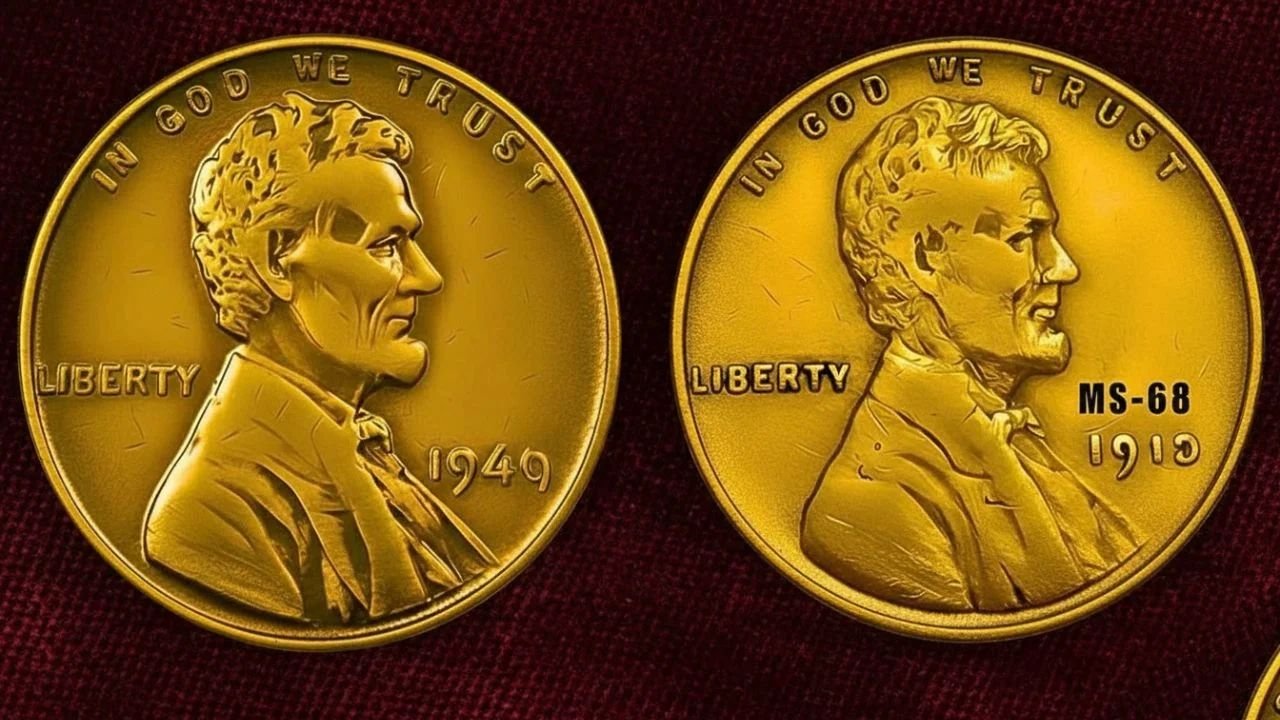
Sorting through old coins is a journey through time. The metallic clink, worn edges, and fading portraits whisper stories from decades past. Among American coinage, the Lincoln Wheat Penny stands out as both a piece of currency and a tangible link to history. Beyond their one-cent denomination, these pennies have become coveted collectibles, with rare dates, mint marks, and errors commanding staggering values in 2026.
A Century-Old Design with Enduring Appeal
Introduced in 1909, the Lincoln Wheat Penny marked a turning point in U.S. coinage. For the first time, a real historical figure—President Abraham Lincoln—was honored on a circulating coin, commemorating his 100th birthday. Sculpted by Victor David Brenner, the design featured Lincoln’s dignified portrait on the obverse and two wheat stalks on the reverse, symbolizing America’s agricultural prosperity. This iconic wheat-back design remained in production until 1958, producing a rich variety of coins that continue to enthrall collectors.
Over the decades, some pennies have gained legendary status. Factors such as low mintage, mint errors, and wartime anomalies have elevated select coins far beyond their nominal value, making them highly sought-after by both collectors and investors.
Key Historical Moments in Wheat Penny Production
The Wheat Penny series reflects the ebb and flow of U.S. history. During World War II, copper was needed for military production. In 1943, the Mint struck pennies from zinc-coated steel, producing silver-colored coins. Rarely, copper planchets were mistakenly left in the press, creating the famous 1943 Copper Penny—one of the most valuable and celebrated errors in American numismatics. Similarly, the 1944 Steel Penny remains an extremely rare counterpart, emphasizing how historical circumstances can influence coin rarity.
The Hunt for Rare Dates and Mint Marks
For collectors, the thrill lies in identifying key dates and unique errors. Some of the most notable Wheat Pennies include:
| Key Date / Variety | Mint Mark | Feature & Rarity | Approx. Value (Circulated to Mint State) |
|---|---|---|---|
| 1909-S VDB | San Francisco | Low mintage; designer’s initials on reverse | $700 – $2,000+ |
| 1914-D | Denver | Very low mintage from Denver Mint | $150 – $5,000+ |
| 1922 “No D” | None | Mint mark missing due to worn die; major error | $500 – $10,000+ |
| 1931-S | San Francisco | Low mintage; key series coin | $60 – $500+ |
| 1943 Bronze / Copper | Various | Struck on copper planchet by mistake; extremely rare | $100,000 – $250,000+ |
| 1944 Steel | Various | Struck on steel planchet; rare counterpart | $50,000 – $100,000+ |
| 1955 Doubled Die | Philadelphia | Dramatic doubling of date and lettering | $1,000 – $15,000+ |
These coins highlight the delicate balance of design, production, and circumstance. Errors like doubled dies, missing mint marks, and incorrect planchets not only increase rarity but also elevate historical significance, making them prized finds for collectors.
The Critical Role of Grading and Market Trends
Coin condition dramatically influences value. Two pennies from the same year can have vastly different prices based on wear, scratches, and luster. Professional grading services like PCGS and NGC evaluate coins on a standardized scale and encapsulate them in protective holders, often referred to as “slabs.” This authentication process ensures both buyers and sellers have confidence in the coin’s quality and rarity.
Market trends for Wheat Pennies have steadily increased, particularly for high-grade examples. Online auctions and global marketplaces have connected buyers and sellers, creating competitive environments that frequently drive up prices for rare and well-preserved specimens.
Tips for Collectors
- Check Date and Mint Mark: Look for small letters below the date, such as “D” for Denver or “S” for San Francisco.
- Identify Errors: Examine coins for doubling, missing mint marks, or unusual metal color.
- Use Magnification: A loupe or phone camera can reveal subtle details invisible to the naked eye.
- Avoid Cleaning Coins: Cleaning can irreversibly damage the surface and reduce value.
- Preserve Properly: Store coins in soft holders or albums to prevent scratches and environmental damage.
Frequently Asked Questions
1. How can I tell if my Wheat Penny is valuable?
Start with the date and mint mark. Compare it to key-date lists and examine for errors or unusual characteristics. Condition is equally important; sharp, minimally worn coins fetch higher prices.
2. What is the most valuable Wheat Penny?
The 1943 Copper Penny is the crown jewel, with some examples selling for over $200,000 and even exceeding $1.7 million in pristine condition. Its 1944 Steel counterpart is similarly rare and valuable.
3. Why is the 1909-S VDB penny special?
It’s prized for low mintage, the initial design controversy, and its status as the first year of the series. The “VDB” initials were removed shortly after production, making early coins especially rare.
4. Does professional coin grading require sending my coin away?
Yes. Companies like PCGS and NGC authenticate, grade, and encapsulate coins. Slabbing provides verified value, essential for high-value transactions or insurance purposes.
5. Should I keep common Wheat Pennies?
Absolutely. Even common coins form the foundation of a collection, are great for practice grading, and in uncirculated condition, their value continues to appreciate over time.
The Joy of Discovery
The allure of Wheat Penny collecting goes beyond monetary reward. Each coin is a miniature time capsule, connecting collectors to a century of American history. Whether it’s a rare 1922 “No D” or a pristine 1931-S, the thrill lies in discovery. Holding a 1910 penny or spotting an unusual error sparks an appreciation for craftsmanship, historical context, and the stories embedded in everyday objects. In 2026, Wheat Pennies remain a gateway to numismatic adventure, where the excitement of uncovering a hidden treasure is as rewarding as the value it may carry.