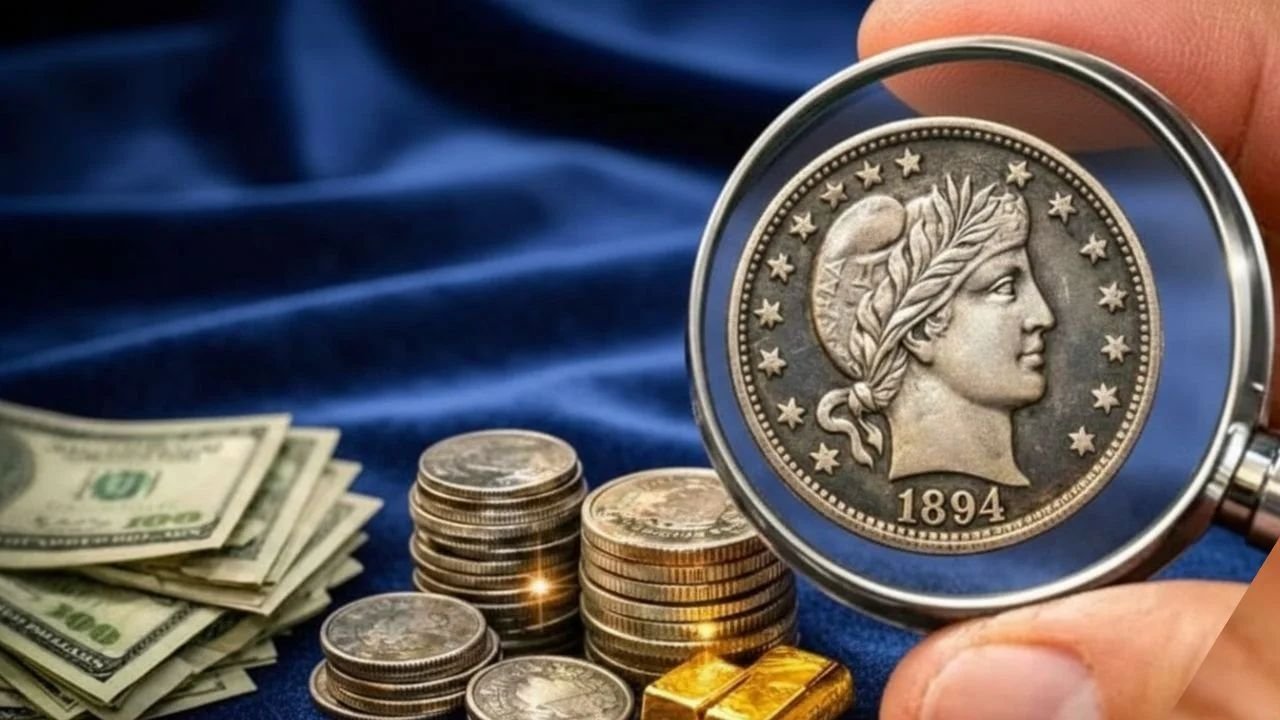
Imagine discovering a coin in your pocket change that’s worth more than a luxury car or even a private island. For most people, a dime is just ten cents. Yet for the lucky few, certain dimes hold staggering value, with some selling for millions. In 2026, collectors continue to hunt for these rare gems, and understanding what makes them special can turn ordinary change into extraordinary fortune.
The Dime That Shocked the World
The crown jewel of rare dimes is the 1894-S Barber Dime. Minted at the San Francisco facility in 1894, only 24 of these coins were ever produced. The reason for such a tiny mintage remains a mystery, though some historians suggest they were made as special gifts for bankers or Mint officials. Today, fewer than ten of these coins are known to exist, making the 1894-S Barber Dime one of the most coveted coins in U.S. history. When a pristine specimen surfaces, it commands attention and can fetch upwards of $3 million.
What Makes a Dime Valuable?
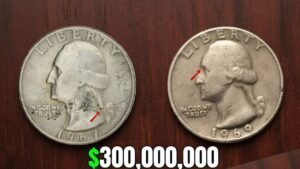
A dime’s value comes down to three key elements:
- Rarity: Low mintage coins or those with limited surviving examples naturally command higher prices.
- Condition: Coins in mint or near-mint condition, free from scratches, discoloration, or wear, are significantly more valuable.
- Historical Significance: Coins tied to an interesting story, a unique error, or a notable production circumstance often attract premium bids from collectors.
Coins that combine all three elements—scarcity, pristine condition, and a compelling backstory—are the ones that make headlines in the numismatic world.
Other Rare Dimes Worth Noting
While the 1894-S Barber Dime is the superstar, several other dimes are highly sought-after by collectors:
- 1916-D Mercury Dime: A key Denver mint issue with a very low mintage of just 264,000 coins.
- 1942/41 Mercury Dime: Known as an overdate error, where the “1941” date was stamped over “1942.”
- 1975 No S Roosevelt Dime: A proof coin mistakenly struck without the San Francisco mint mark.
- 1968 No S Proof Dime: Another proof error lacking the expected “S” mint mark.
These coins, especially in uncirculated condition, can range from tens of thousands to hundreds of thousands of dollars in value.
Rare Dime Value Guide
| Coin Type | Key Feature | Why It’s Valuable | Approx. Value Range |
|---|---|---|---|
| 1894-S Barber Dime | Extremely low mintage | Only 24 made; fewer than 10 exist today | $1,000,000 – $3,000,000+ |
| 1796 Draped Bust Dime | First dime ever minted | Historical significance as the original U.S. dime | $10,000 – $250,000 |
| 1916-D Mercury Dime | Low Denver mintage | Rare key date for collectors | $500 – $15,000+ |
| 1942/41 Mercury Dime | Overdate error | Misstamped date makes it rare | $5,000 – $30,000+ |
| 1975 No S Proof Dime | Missing mint mark | Collector error, extremely scarce | $20,000 – $40,000+ |
| 1968 No S Proof Dime | Missing mint mark | Proof error, limited numbers | $10,000 – $20,000+ |
How to Become a Coin Detective
Finding a valuable dime requires attention to detail and a careful eye. Here’s how collectors approach it:
- Check the Mint Mark: Small letters like D, S, or absence of a mark indicate the mint facility. Rare mint marks can significantly increase value.
- Inspect for Errors: Look for doubled dates, missing letters, off-center strikes, or unusual features. These anomalies often make a dime far more valuable.
- Handle with Care: Never clean a rare coin. Cleaning can cause microscopic scratches that drastically reduce its market value. Always hold coins by the edges.
Frequently Asked Questions
Q: What is a mint mark and why is it important?
A: A mint mark is a small letter showing which U.S. Mint struck the coin. Rare mint marks, like the “D” on the 1916-D Mercury Dime, can make a coin far more valuable.
Q: How can I tell if my dime is valuable?
A: Start with the date and mint mark, then compare it to images of known rare coins. Errors or unusual features can indicate higher value.
Q: What does “uncirculated” mean?
A: An uncirculated coin has never been used in commerce. Its original shine and detail are preserved, making it more desirable to collectors.
Q: Should I clean an old coin?
A: No. Cleaning diminishes value. Always leave coins in their natural state and store them in protective holders.
Q: What is a proof coin?
A: Proof coins are specially minted for collectors with a mirror-like background and frosted designs, produced using a more meticulous process than regular coins.
Q: Where can I get a coin professionally appraised?
A: Consult reputable coin dealers, attend coin shows, or submit coins to professional grading services like PCGS or NGC for authentication and valuation.
The Thrill of Discovery
Rare dimes offer more than monetary value—they connect collectors to history and artistry. Each coin tells a story, from the mysterious 1894-S Barber Dime to the subtle errors in proof coins. While finding a multi-million-dollar dime is exceedingly rare, uncovering a high-grade, unusual, or error coin is a thrilling and tangible way to engage with America’s rich numismatic legacy. Whether tucked in a piggy bank or hidden in an old collection, the right dime could hold a fortune and a fascinating story waiting to be discovered.