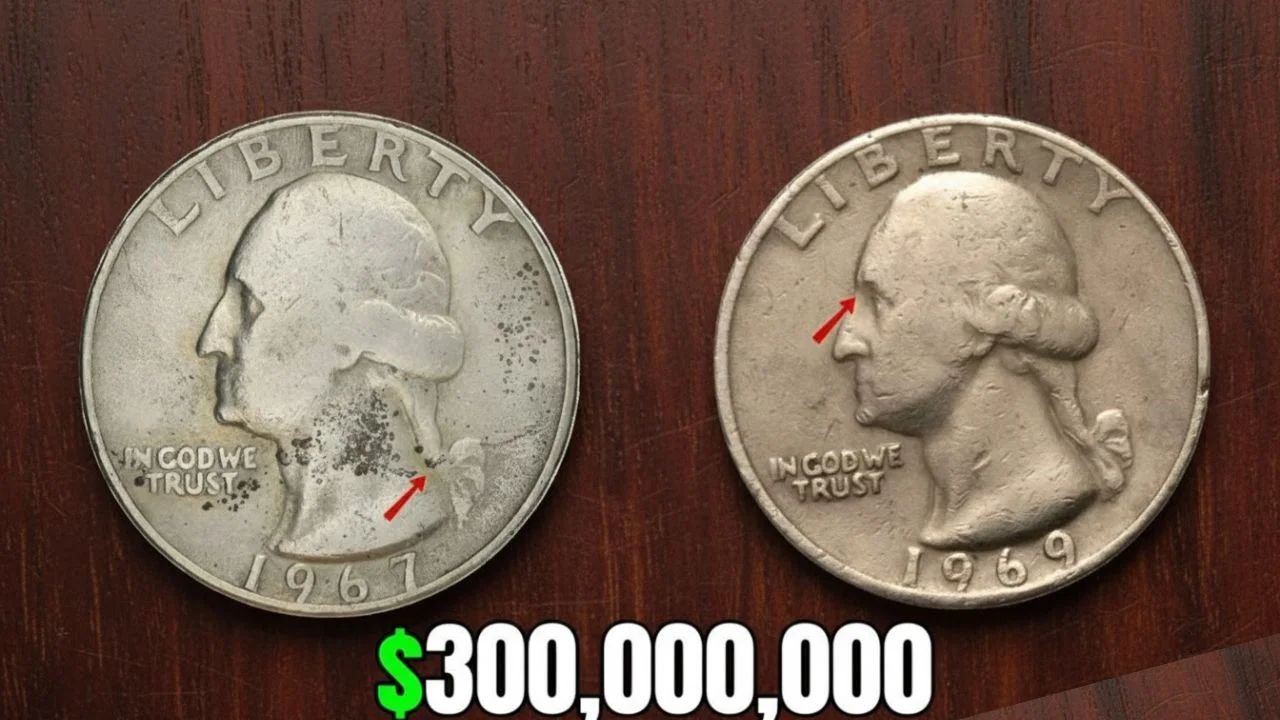
The 1976 Bicentennial Quarter stands as an iconic symbol of American history. Minted to celebrate the 200th anniversary of the Declaration of Independence, this coin transformed ordinary pocket change into a miniature tribute to the nation’s heritage. While the vast majority of these quarters are common and worth just 25 cents, exceptional examples with rare features have sparked imaginations—and the possibility of a coin valued at millions keeps collectors and hobbyists on alert.
A Historic Celebration Captured in Metal
In 1975 and 1976, the United States Mint released special circulating coins to honor the nation’s bicentennial. The quarter’s reverse, designed by Jack L. Ahr, replaced the traditional eagle with a dynamic colonial drummer boy, a victory torch, and a ring of 13 stars representing the original colonies. On the obverse, George Washington’s familiar portrait remained, but the dual date “1776-1976” marked the historical milestone.
These coins were produced in massive numbers across the Philadelphia (P), Denver (D), and San Francisco (S) mints, making them a ubiquitous presence in wallets, cash registers, and piggy banks for decades. However, hidden within this sea of coins are versions that carry significantly more value due to rarity, composition, or minting anomalies.
What Makes a Bicentennial Quarter Valuable?
For a Bicentennial Quarter to rise above its face value, three key factors come into play:
- Composition: While most circulated quarters are copper-nickel clad, select coins were minted in 40% silver for collector sets, usually identified by an “S” mint mark. The silver content alone increases desirability.
- Errors and Varieties: Minting mistakes—such as off-center strikes, double dies, or coins struck on the wrong planchet—are highly collectible. Each error is unique, making these coins rare treasures.
- Condition and Grade: The coin’s state of preservation is critical. Uncirculated or proof coins, especially those graded MS-70 or PR-70 by professional services, command premium prices. High-grade silver proofs or error coins can approach extraordinary valuations in the collector market.
While reports of a Bicentennial Quarter selling for $3.76 million are largely hypothetical and rare, they capture the imagination of collectors and illustrate how a combination of rarity, condition, and minting anomalies can dramatically affect value.
How to Spot a Valuable Bicentennial Quarter
If you’re checking coins at home or exploring old collections, here’s what to look for:
- Edge Inspection: A standard copper-nickel quarter shows a brownish stripe between two silver-colored layers. A 40% silver coin, however, has a solid silver-white edge.
- Mint Mark: Look beneath Washington’s hairline. P (Philadelphia) and D (Denver) are standard circulation strikes, while S (San Francisco) often indicates a collectible proof or silver mint set coin.
- Errors and Varieties: Examine letters, numbers, and design details closely with a magnifying glass. Look for doubling, misalignment, blank spots, or off-center strikes.
- Condition: Coins with sharp details, lustrous surfaces, and no handling marks are the most valuable. Even minor wear can significantly reduce a coin’s premium.
Bicentennial Quarter Quick Reference
| Feature | Details |
|---|---|
| Years Minted | 1975, 1976 (dual date 1776-1976) |
| Standard Composition | Copper-nickel clad (75% copper, 25% nickel) |
| Special Composition | 40% silver (collector sets) |
| Designer (Reverse) | Jack L. Ahr |
| Reverse Motif | Colonial Drummer Boy |
| Mints | Philadelphia (P), Denver (D), San Francisco (S) |
| Face Value | $0.25 |
| Typical Circulated Value | $0.25 – $1+ |
| Silver Proof Value (S Mint) | $5 – $15+ |
| Key to High Value | Silver content, proof condition, mint errors |
Preserving History and Enjoying the Hunt
Coin collecting, or numismatics, is more than acquiring currency—it’s a way to preserve history. The Bicentennial Quarter is a miniature time capsule of America’s 1976 celebrations, offering collectors a tangible connection to the past. While stumbling upon a multi-million-dollar coin is extraordinarily unlikely, finding a silver proof or an intriguing error coin is realistic and immensely rewarding. The excitement of sifting through change or old collections fosters appreciation for history, artistry, and the subtle intricacies of minting.
Frequently Asked Questions
Q: Is every 1976 quarter worth money?
A: No. Most Bicentennial Quarters are worth only 25 cents. Coins gain value with silver content, mint errors, or exceptional preservation.
Q: How can I tell if my Bicentennial Quarter is silver?
A: Examine the edge. A silver coin has a solid silver-white color, while a standard copper-nickel quarter shows a brown stripe in the middle.
Q: What does the “S” mint mark indicate?
A: It denotes the San Francisco Mint. For Bicentennial Quarters, “S” coins were often part of collector proof sets, usually made with 40% silver.
Q: Should I clean my old coins?
A: Never. Cleaning can scratch or alter the coin, drastically reducing its value. Always handle coins by the edges and store them in protective holders.
Q: Where can I get a coin professionally appraised?
A: Use reputable coin dealers, grading services such as PCGS or NGC, or resources from the American Numismatic Association. Avoid unsolicited appraisals from unknown sources.
The 1976 Bicentennial Quarter is a lasting symbol of American heritage, offering collectors both historical insight and the thrill of discovery. While few will ever hold a multi-million-dollar coin, every silver proof or well-preserved quarter is a treasure worth cherishing.