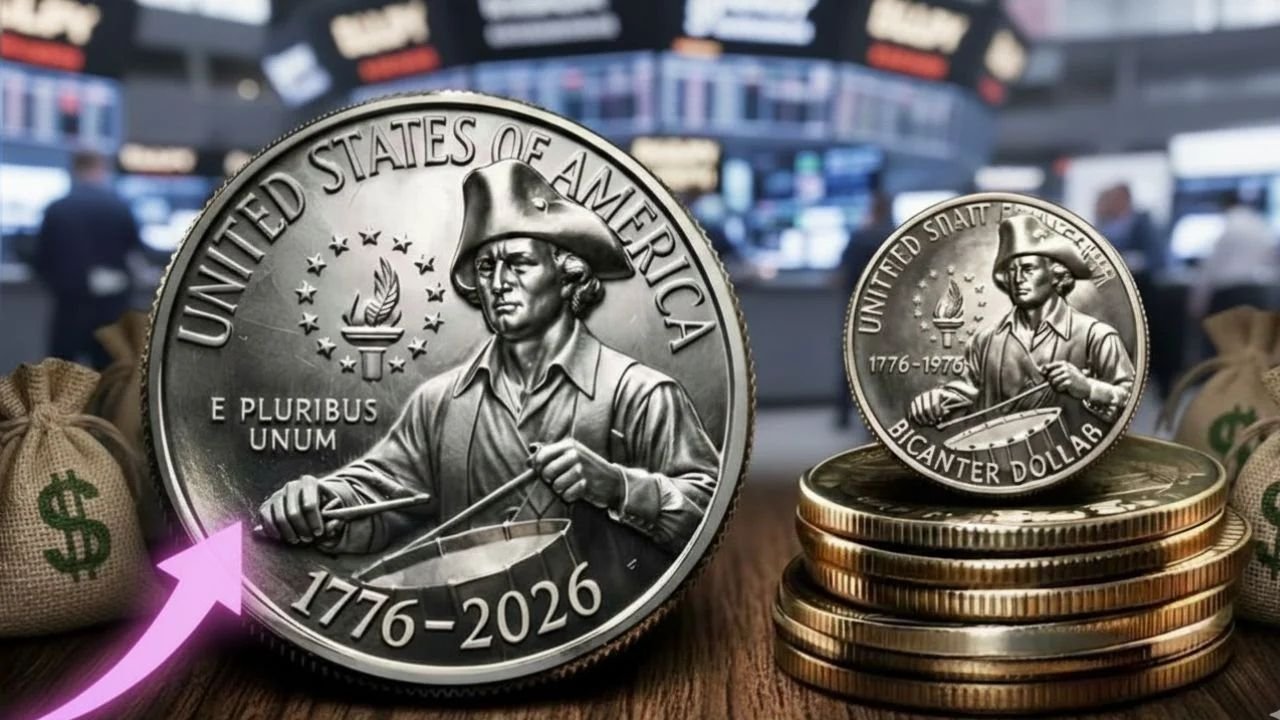
The 2026 Bicentennial Quarter remains one of the most iconic and cherished coins in American numismatics. Originally minted in 1975 and 1976 to celebrate the nation’s 200th anniversary, its distinctive colonial drummer reverse design captured the imagination of the public and set it apart from standard quarters. Fifty years later, this coin continues to hold a special place in collections, symbolizing national pride and historical celebration. This guide explores its value, varieties, and enduring appeal for collectors today.
The Historical Journey of the Bicentennial Quarter
The Bicentennial coin program was a national initiative encompassing the quarter, half dollar, and dollar. Artist Jack L. Ahr’s design for the quarter features a colonial drummer beside a victory torch, encircled by thirteen stars representing the original colonies. The U.S. Mint produced millions of these coins for circulation, ensuring that Americans from coast to coast could possess a piece of the celebration. Additionally, special silver collector editions were struck to commemorate the milestone in a more lasting form, blending history and artistry in a coin that would endure for generations.
2026 Bicentennial Quarter Value Table
| Coin Type | Mint Mark | Condition | Estimated Value (2026) | Notes |
|---|---|---|---|---|
| Copper-Nickel Clad | D (Denver) | Circulated | $0.25 – $1 | Standard face value for worn coins |
| Copper-Nickel Clad | S (San Francisco) | Mint State 65 | $3 – $6 | Uncirculated, from mint sets |
| 40% Silver | S (San Francisco) | Mint State 65 | $8 – $12 | From uncirculated silver sets |
| 40% Silver | S (San Francisco) | Proof 65 | $10 – $15 | Mirror-like finish, collector proof set |
| Rare Errors/Varieties | Varies | Varies | $100 – $5,000+ | Includes double dies, off-center strikes, wrong planchet |
| Complete 1976 Proof Set | S (San Francisco) | Proof | $25 – $35 | Includes all three Bicentennial coins in clad |
Why Collectors Cherish the Bicentennial Quarter
The popularity of this coin extends beyond its material value. For many, it evokes vivid memories of 1976: parades, fireworks, and a shared sense of national pride. Its accessibility—commonly found in circulation—adds an element of discovery and excitement for both new and seasoned collectors. Beyond nostalgia, the coin exemplifies a masterful blend of art and history, making it an essential piece for any collection.
Understanding the Different Types
Standard Clad Circulation Coins
These copper-nickel quarters are found in everyday change. While most are only worth face value, uncirculated examples from original mint sets carry a modest premium, making them foundational pieces for collectors.
40% Silver Collector Versions
Struck exclusively for collector sets, these coins are significantly rarer and contain precious metal. Their value derives from both silver content and condition, often exceeding that of their copper-nickel counterparts.
Proof Coins
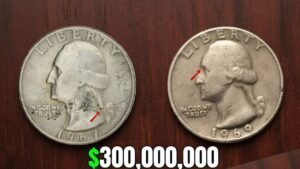
Proof coins feature a mirror-like background and sharply detailed design, produced in both clad and silver. Their worth is tied to grade and preservation, with flawless examples commanding substantial premiums in the collector market.
Key Factors Influencing Value
- Composition & Type: Silver and proof editions are inherently more valuable than standard circulation coins.
- Condition (Grade): Coins retaining full luster, crisp details, and minimal wear are worth significantly more. Professional grading services like PCGS or NGC provide authentication and certification.
- Rarity & Errors: While most Bicentennial Quarters are common, rare minting errors—including double dies and off-center strikes—can transform an ordinary coin into a high-value collector’s item.
Current Market Trends in 2026
As of 2026, the market for Bicentennial Quarters remains active. High-grade examples and silver editions are consistently in demand, with values reflecting the coin’s status as a classic commemorative issue. Online marketplaces have expanded access, enabling collectors to find specific coins, compare pricing, and connect with a global community. Interest continues among both experienced numismatists and new collectors drawn to the coin’s historical significance.
Tips for Starting Your Collection
- Examine Loose Change: You may uncover circulated examples that spark your interest.
- Learn Mint Marks and Grading: Understanding “D,” “S,” or no mint mark and basic grading principles is essential.
- Invest in Sets: Affordable uncirculated or proof sets provide pristine examples for study and display.
- Handle with Care: Always hold coins by the edges and store them in protective holders.
- Collect Meaningfully: Focus on coins that resonate with you, whether silver proofs or notable error varieties.
Frequently Asked Questions
Q: Is a 1976 Bicentennial Quarter worth anything?
A: Most circulated copper-nickel coins are worth face value ($0.25). Uncirculated, silver, or error coins are more valuable.
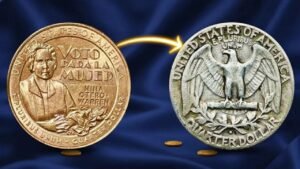
Q: How can I identify a silver Bicentennial Quarter?
A: Silver coins have a uniform silver-gray edge without the brown copper stripe present in clad coins and were only minted in San Francisco with an “S” mark.
Q: What does the “S” mint mark indicate?
A: The coin was minted in San Francisco, including proof and 40% silver collector editions. Circulation coins were minted in Philadelphia (no mint mark) and Denver (“D”).
Q: Why are some quarters dated 1975?
A: Although minted in 1975, all Bicentennial Quarters bear the dual date “1776-1976” to celebrate the nation’s 200th anniversary.
Q: Where is the best place to sell a valuable Bicentennial Quarter?
A: Professionally graded coins can be sold through reputable auction platforms, established coin dealers, or numismatic shows.
The Enduring Legacy
More than a piece of currency, the Bicentennial Quarter is a symbol of American heritage. It connects generations, blending history, art, and nostalgia. As it moves beyond its 50th anniversary, the coin continues to inspire collectors and history enthusiasts, securing its place as a treasured piece of the nation’s numismatic story.