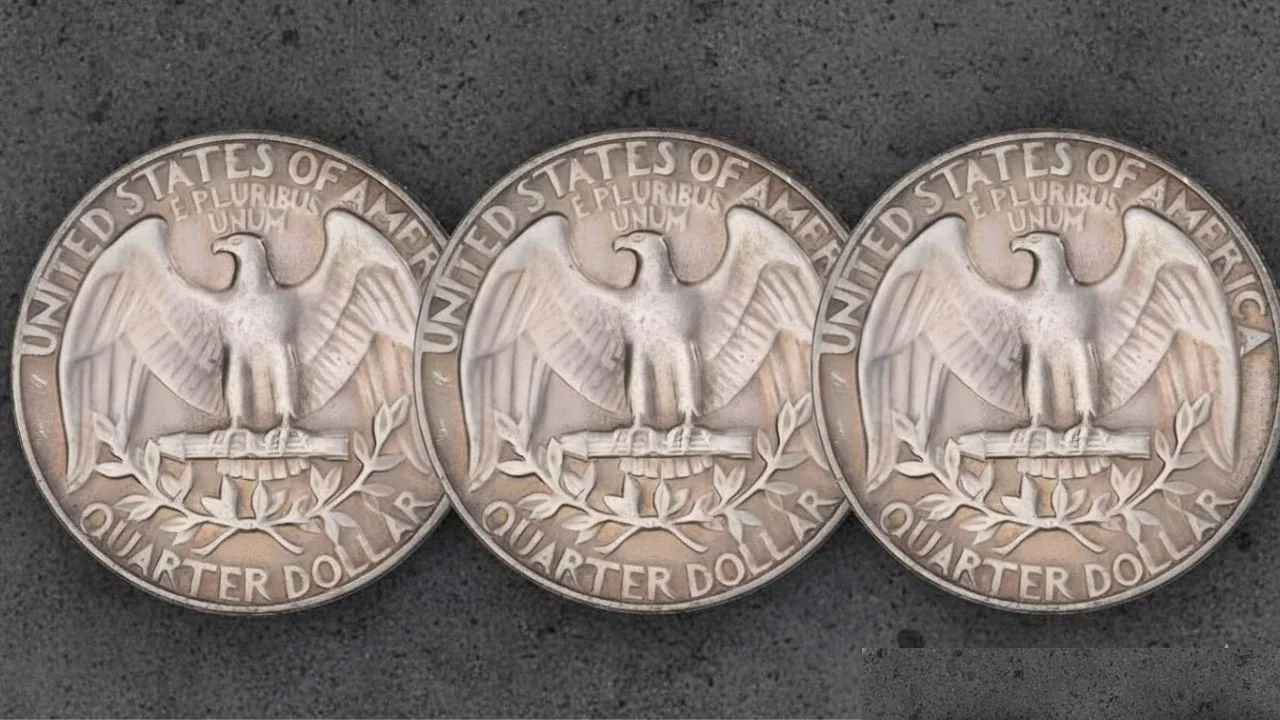
Silver Washington quarters, first struck in 1932 to honor George Washington’s 200th birthday, are more than just coins—they are historical artifacts and highly sought collectibles. While most circulated examples are primarily valued for their 90% silver content, certain key dates and mint errors have captured the attention of collectors worldwide. Here’s a closer look at three of the most valuable silver Washington quarters and what makes them remarkable.
The Coveted 1932-D Washington Quarter
The 1932-D quarter, minted in Denver during the series’ inaugural year, is a cornerstone for collectors. Struck amid the Great Depression, demand for coins was low, resulting in a remarkably small mintage of just 436,800 pieces. This scarcity elevates its value, especially in high-grade, uncirculated condition.
Circulated examples generally trade for a few hundred dollars, but pristine uncirculated specimens can command prices ranging from $3,000 to over $20,000. The coin’s appeal lies not only in its rarity but in the sharp detail preserved in John Flanagan’s design, capturing the first depiction of Washington on America’s quarters.
The Scarce 1932-S Washington Quarter
Even rarer than the Denver issue is the 1932-S quarter, produced at the San Francisco Mint with a mintage of only 408,000 coins. Its limited production makes it the key date of the entire Washington quarter series. Many of these coins entered circulation and suffered wear over the decades, further enhancing the significance of well-preserved examples.
Collectors prize the 1932-S quarter for both historical and numismatic reasons. Certified high-grade coins represent the pinnacle of the Washington quarter collection, often achieving auction prices that eclipse those of the 1932-D. The coin’s combination of low mintage, inaugural-year status, and historical significance ensures its place as a top-tier collectible.
The Unique 1942-D Doubled Die Obverse Quarter
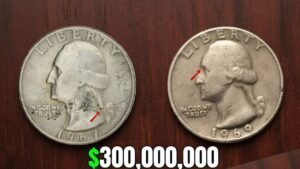
The 1942-D Doubled Die Obverse quarter is a striking example of a minting error creating collector value. Misalignment during the die-striking process resulted in noticeable doubling on inscriptions such as “LIBERTY,” “IN GOD WE TRUST,” and the date itself. Unlike low-mintage 1932 quarters, the value of this coin stems from its distinctive appearance and error status rather than scarcity.
Well-preserved examples in mint state grades can fetch thousands of dollars, offering collectors a chance to own a tangible piece of minting history. This variety illustrates how errors, even in higher-mintage years, can significantly increase a coin’s desirability.
Silver Content and Collector Value
All Washington quarters minted from 1932 through 1964 are composed of 90% silver and 10% copper, weighing approximately 0.1808 troy ounces of pure silver. This intrinsic value provides a financial baseline, with common circulated coins often valued close to their melt price—typically a few dollars above the spot price of silver. However, rare dates and unique varieties carry a premium far beyond the metal’s value, blending historical significance with investment potential.
The dual nature of these coins—as both bullion and collectible—enhances their appeal. While the silver content offers tangible value, numismatic significance drives the high-end market, particularly for inaugural-year coins and certified error varieties.
Understanding Coin Condition and Grading
A coin’s condition dramatically influences its value. Two coins from the same year and mint may vary in worth by orders of magnitude based solely on wear, luster, and surface quality. The Sheldon scale, ranging from 1 to 70, quantifies a coin’s state of preservation, with MS (Mint State) grades reserved for uncirculated coins. MS-60 coins show no wear but may have minor marks, while MS-67 examples are nearly flawless.
Professional grading services like PCGS and NGC provide authentication, assign grades, and protect both buyers and sellers. For rare quarters, even small grade improvements can multiply market value.
Frequently Asked Questions
How can I tell if my Washington quarter is silver?
Any quarter dated 1964 or earlier is composed of 90% silver. Examine the edge; silver quarters have a solid silver stripe, while later clad coins show a copper band.
Where is the mint mark located?
For 1932–1964 quarters, the mint mark appears on the reverse, just below the center near the wreath base. Philadelphia coins lack a mint mark, Denver coins display “D,” and San Francisco coins “S.”
Should I get my coin professionally graded?
For common circulated coins, grading is often unnecessary. However, rare dates or error coins—like the 1932-D, 1932-S, or 1942-D Doubled Die—benefit from professional authentication and grading, which can significantly enhance market value.
Is the 1932 Philadelphia quarter valuable?
The 1932 Philadelphia issue had a much higher mintage (over 5.4 million), making it more common. In circulated grades, its value aligns closely with silver content, though uncirculated examples still carry a premium as a first-year coin.
How should I store silver quarters?
Use archival-quality holders, tubes, or albums made of inert materials. Avoid PVC plastics, which can damage coins over time. Handle coins by the edges and store them in a stable, dry environment.
Conclusion
The allure of silver Washington quarters lies in their history, craftsmanship, and scarcity. From the low-mintage 1932-D and 1932-S quarters to the visually striking 1942-D Doubled Die Obverse, these coins offer collectors a blend of intrinsic silver value and historical significance. While discovering one in everyday change is unlikely, studying and collecting these treasures connects enthusiasts to nearly a century of American history, offering both aesthetic pleasure and tangible investment potential. For those seeking a tangible link to the past, silver Washington quarters remain among the most rewarding pursuits in numismatics.