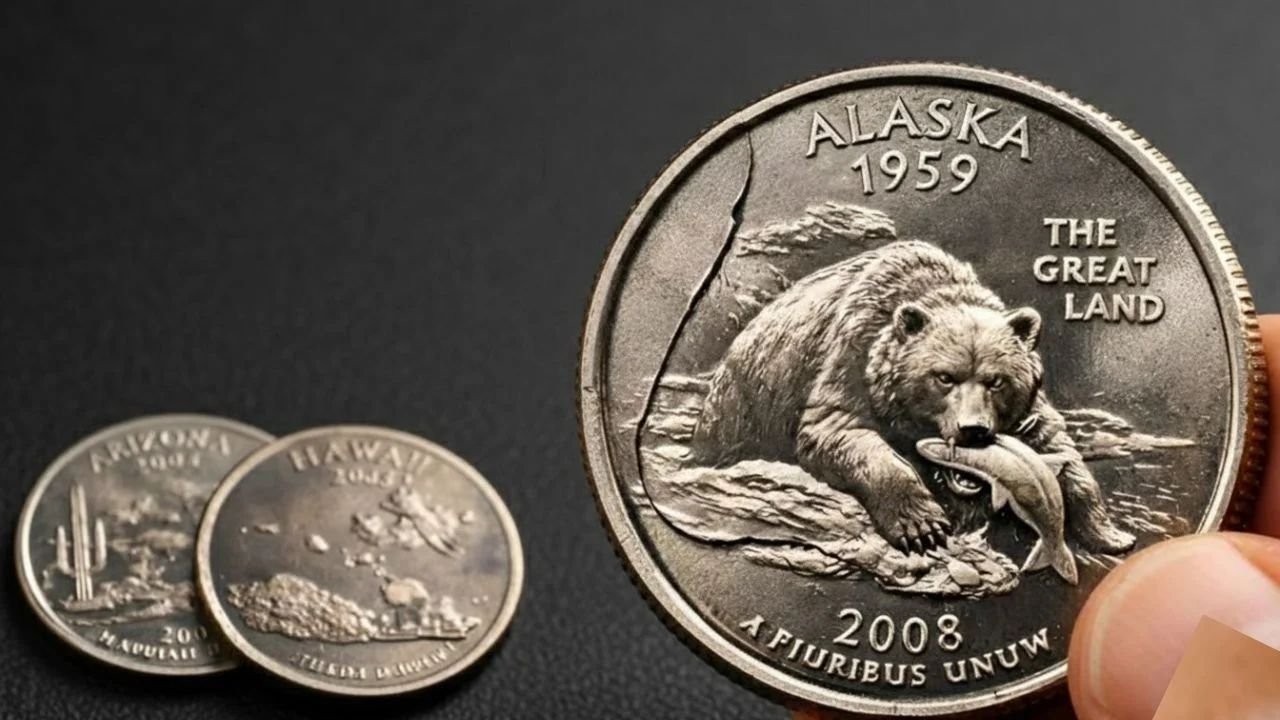
The 2008 State Quarters marked the grand finale of the United States Mint’s celebrated 50 State Quarters Program, featuring Oklahoma, New Mexico, Arizona, Alaska, and Hawaii. While millions of these coins circulated nationwide, a rare few were struck with minting errors, transforming ordinary change into highly sought-after collectibles. These error coins capture moments when the intricate minting process faltered, creating pieces that are simultaneously historical artifacts and numismatic treasures. As of 2026, the market for these modern error coins remains active, driven by collector enthusiasm and the enduring appeal of rarity.
The Appeal of Minting Errors
Error coins are unique remnants of the production process, distinct from post-mint damage. They occur when planchets are misfed, dies are flawed, or strikes are misaligned. Collectors prize these coins because they are officially minted yet one-of-a-kind. Unlike typical wear and tear, genuine errors retain design continuity, providing both aesthetic interest and historical significance. The thrill of discovering a dramatic misstrike, coupled with the potential for investment value, makes error coins an exciting niche for numismatists.
2008 State Quarter Error Value Guide (2026 Estimates)

The following table outlines typical values for authenticated and graded 2008 state quarter errors in collectible condition (Extra Fine to Mint State):
| State & Error Type | Description & Rarity | Estimated Value (2026) |
|---|---|---|
| Oklahoma – Double Die | Doubling visible on lettering or the bird’s features. Moderately rare. | $125 – $450 |
| Oklahoma – Off-Center | Strikes misaligned 10%–50%. Larger offsets are rarer. | $80 – $400 |
| New Mexico – Clipped Planchet | Curved clip on edge; value depends on size. | $30 – $250 |
| New Mexico – Off-Center | Dramatic misalignment, highly collectible. | $150 – $600+ |
| Arizona – Die Crack/Cud | Raised lines or blobs from a broken die; common but popular. | $25 – $200 |
| Arizona – Double Die | Doubling on reverse; less common for this state. | $200 – $500 |
| Alaska – Off-Center | Part of grizzly bear missing; highly sought after. | $200 – $750+ |
| Alaska – Double Die | Doubling on bear or stars; scarce. | $300 – $900 |
| Hawaii – Double Die | Doubling on King Kamehameha’s profile or lettering; premier error. | $400 – $1,500+ |
| Hawaii – Major Off-Center | Large misalignment; highest premiums for the series finale. | $600 – $2,000+ |
Exploring the 2008 Quarter Designs
The 2008 state quarters feature distinctive artistry, each reflecting the character of its state. Oklahoma depicts a Scissortail Flycatcher over the state flower, New Mexico displays the Zia sun symbol atop the state outline, and Arizona showcases the Grand Canyon. Alaska’s quarter features a grizzly bear with a salmon, while Hawaii pays tribute to King Kamehameha I reaching toward the islands. These detailed, mass-produced designs serve as the backdrop for rare errors that elevate certain coins to prized collectibles.
Common Types of Errors
Double Die Obverse/Reverse (DDO/DDR)
Occurs when a die used for striking has misaligned design elements, producing doubled images in letters, numbers, or motifs. The effect can range from subtle to highly pronounced.
Off-Center Strikes
Result when the planchet is not properly aligned in the press. Portions of the design may be missing, leaving a blank crescent visible. The larger the off-center percentage, the more valuable the coin.
Clipped Planchets
Happen when metal sheets overlap during punching, producing coins with a curved clip on the edge. The size and shape of the clip influence collectibility.
Die Breaks and Cuds
Formed when dies chip or crack, causing raised blobs (cuds) or lines (die cracks) on the coin. These errors are often visually distinctive and sought after.
Factors That Determine Error Coin Value
- Rarity: Fewer known examples mean higher value.
- Condition (Grade): Mint State coins are worth significantly more than circulated examples.
- Error Visibility: Bold, obvious errors command premiums over subtle flaws.
- Certification: Professional authentication and encapsulation by services like PCGS or NGC ensure market confidence.
Collector Strategies
Starting a collection of error coins combines education, patience, and discovery. Beginners should study high-resolution images of certified errors to train their eyes. Coin roll hunting—examining wrapped rolls from banks—offers a chance at discovery, while engaging with reputable dealers or online auctions provides access to rare, high-quality examples. Always prioritize authenticity; certified coins typically achieve higher resale value.
Frequently Asked Questions
Q: How can I distinguish a genuine error from post-mint damage?
A: Genuine errors feature flowing, integrated design elements. Post-mint damage appears harsh, irregular, or artificially altered. Professional grading is recommended if uncertain.
Q: Where can I sell a valuable error coin?
A: Use reputable coin dealers, established auction houses, or dedicated online numismatic marketplaces. Professional grading usually maximizes value.
Q: Are all error coins valuable?
A: No. Minor mis-strikes may only carry a small premium. Dramatic, rare, and visually appealing errors hold the greatest collector value.
Q: Has the U.S. Mint recalled error coins?
A: No. Coins that enter circulation are legal tender, and their collectible value is determined by the market, not recall actions.
Q: What is the outlook for 2008 state quarter errors?
A: As the final issues of the historic series, high-grade Alaska and Hawaii errors are particularly prized. The market is expected to remain steady, with values gradually appreciating as new collectors enter the hobby.
The Lasting Legacy
The 2008 State Quarter errors demonstrate that imperfection can create extraordinary value. Each misstrike tells a story of human craftsmanship, mechanical processes, and serendipity. For collectors, these coins are tangible pieces of history—small, metallic marvels that combine artistry, rarity, and the thrill of discovery into a singular numismatic experience.